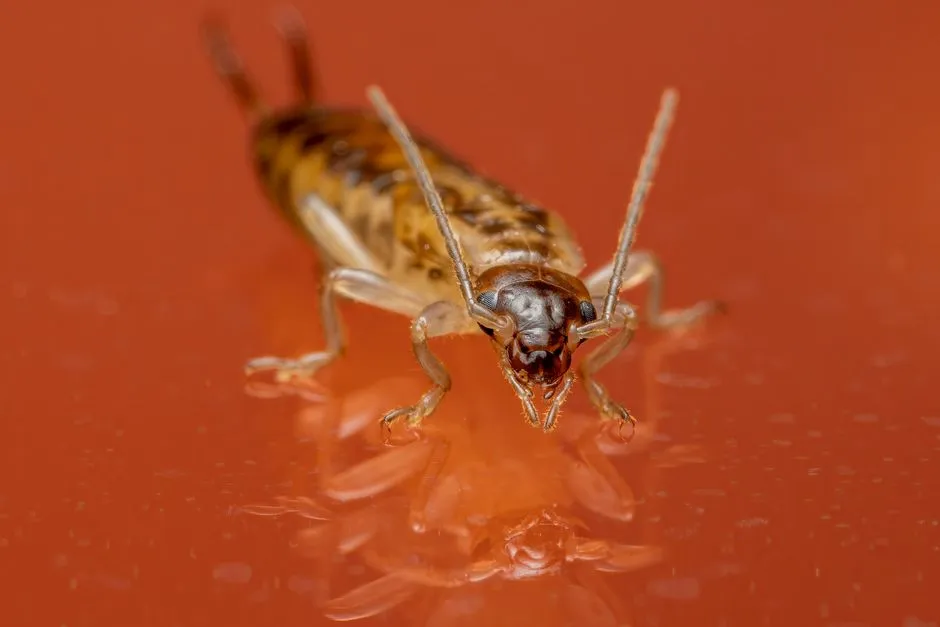
Identification
Identification
Physical evidence, life stages, and lookalikes considered before treatment.
Look for physical evidence around sleeping areas, keep luggage isolated, and seek qualified confirmation before acting on a suspicious sign.
Read →
Physical evidence, life stages, and lookalikes considered before treatment.
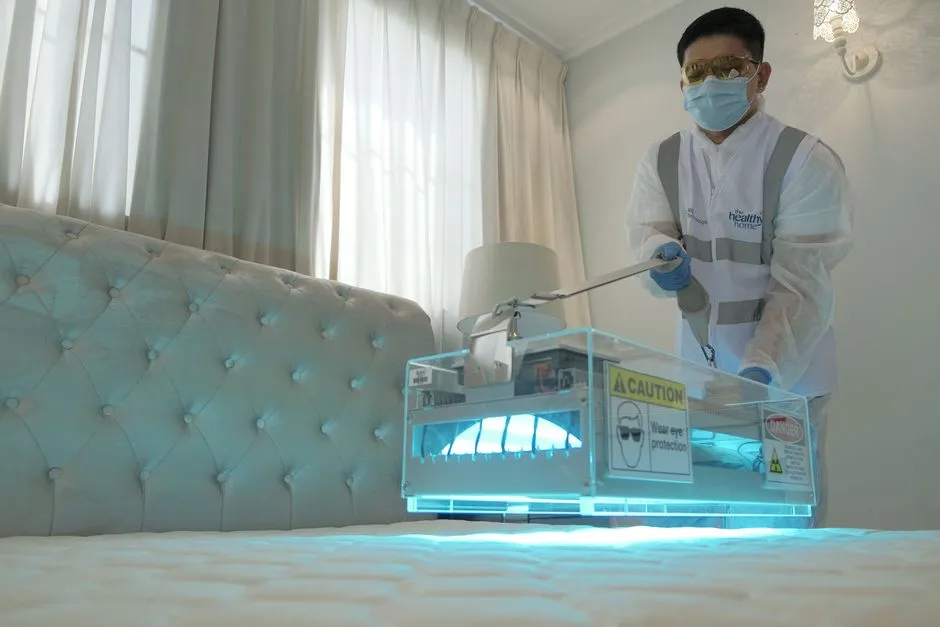
Integrated control, preparation, monitoring, and the limits of improvised treatment.
Hotel, luggage, and home routines that support early detection and reduce spread.
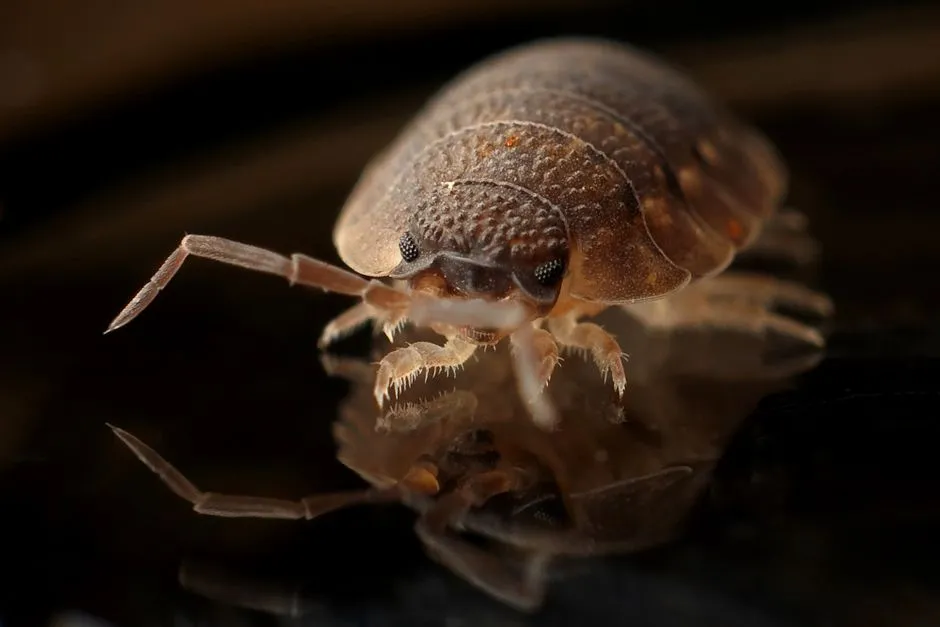
Bed bug bites may appear as small, itchy, red or swollen marks on exposed skin, sometimes grouped or roughly linear.
Bed bug eggs are tiny, pale, oval objects attached to surfaces in protected seams, joints, cracks and crevices near places where people sleep or rest.
Bed bug fecal marks are usually tiny dark reddish, brown or black spots or smears made from digested blood; EPA says they may bleed into fabric like…
Bed bug interceptors work as detection devices when they are correctly placed on a meaningful furniture route and checked consistently.

The bed bug life cycle runs from an approximately 1 mm egg through five nymphal stages to adult.
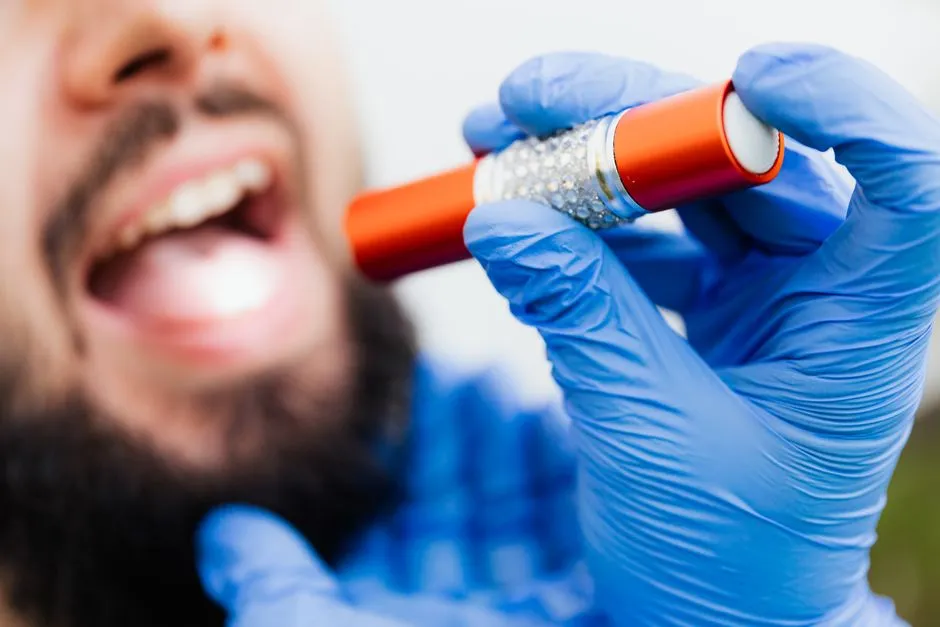
If you see a suspected bed bug after professional treatment, preserve the specimen safely, record its exact location and date, photograph it and contact…
Bedbugs.net Reference is an independent, reader-focused guide to identifying, preventing, and responding to bed bugs. It gives worried renters, homeowners, and travelers calm, evidence-aligned steps without selling treatments, accepting sponsored placements, or pretending every problem can be solved alone.