What Do Bed Bugs Look Like? An Evidence-First ID Guide
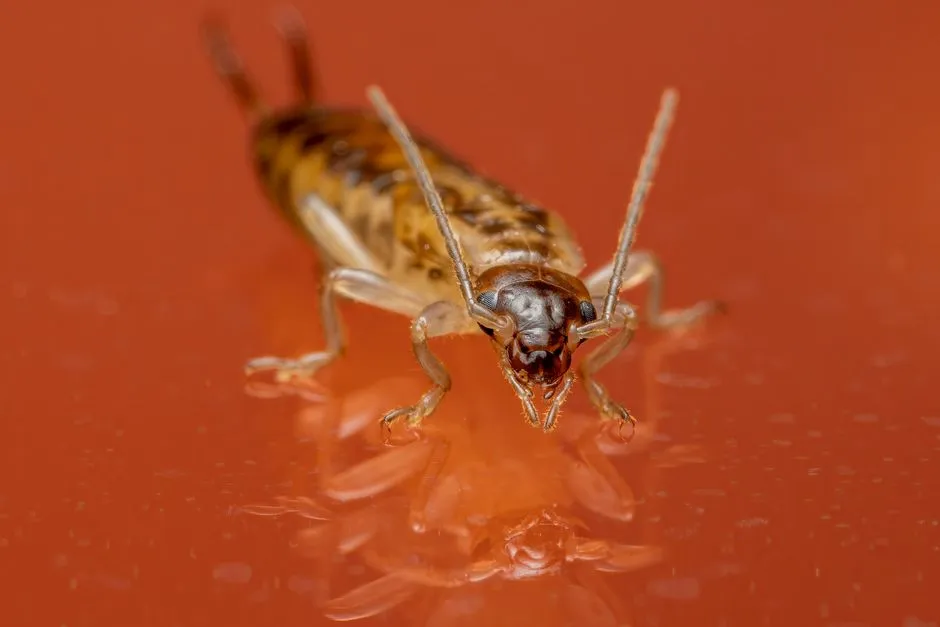
- Adult bed bugs are flat, oval, brown, and visible
- Bed bug appearance by life stage
- The seven body features to check
- What bed bug eggs and shed skins look like
- Physical signs around the bed
- Where to inspect first
- Common bed bug lookalikes
- Why bites cannot identify the insect
- Photographing a specimen for identification
- When the evidence is enough to act
- The identification standard
Adult bed bugs are flat, oval, brown, and visible
An unfed adult bed bug is about 5–7 mm long—roughly apple-seed sized—with six legs, short antennae, and a broad, flattened oval body. It is brown to reddish-brown and has no functional wings, so it cannot fly or jump. After feeding, the abdomen becomes darker, longer, and more swollen.
Young bed bugs, called nymphs, have the same basic shape but are smaller and paler; an unfed first-stage nymph can be hard to see. Eggs are about 1 mm, pearl-white, and attached to surfaces. A reliable identification uses the insect plus physical evidence such as fecal spots, shed skins, eggs, and harborages. Bites alone cannot confirm bed bugs.
Bed bug appearance by life stage
| Stage | Approximate size | Typical appearance | What makes it difficult |
|---|---|---|---|
| Egg | About 1 mm | Pearl-white, pinhead sized, attached to a surface | Lint and pale debris look similar |
| First nymph | About 1.5 mm | Very small, translucent to whitish-yellow when unfed | Nearly blends into light fabric |
| Later nymph | About 2–4.5 mm | Smaller, paler adult shape; red abdomen after feeding | Can resemble other tiny household insects |
| Adult | About 5–7 mm | Brown, flat, oval, six-legged; redder and elongated after feeding | Shape changes after a blood meal |
These measurements come from the EPA's specific bed bug appearance and life-cycle guide. Size is useful when measured against a ruler or millimeter grid, but a close phone photograph can make any insect look large. Record actual length along with the image.
The seven body features to check
1. A broad, flattened oval body
An unfed adult looks compressed from top to bottom, not laterally flattened like a flea. Its abdomen is broad and visibly segmented. The body is wider toward the rear, without a narrow waist like an ant.
Recently fed bugs look different: the abdomen stretches, rounds, and darkens with the blood meal. Do not reject a possible bed bug because it looks more elongated than the familiar apple-seed comparison.
2. Brown to reddish-brown color
Adults are usually brown; fed individuals appear redder and darker. Nymphs are paler and can look translucent before feeding, then show a conspicuous red abdomen afterward. Lighting, the surface underneath, and phone processing can distort color, so shape and size carry more weight.
3. Six legs and two antennae
Bed bugs are insects, so they have six legs. A creature with eight legs is not a bed bug. Their antennae project from the head, though they can be hard to resolve in a poor image.
4. No jumping legs
Fleas have a laterally compressed body and enlarged hind legs built for jumping. Bed bugs crawl. They can move quickly across a surface, but they do not jump from a mattress to a person.
5. No usable wings
Adult bed bugs have reduced wing pads rather than working wings. They do not fly. A small brown insect flying near a bed may still deserve identification, but it is not an adult bed bug in flight.
6. A short, broad head-and-thorax profile
The head is relatively small, with the section behind it widening into the body. From above, the sides of the thorax curve outward. This broad silhouette helps separate bed bugs from narrow beetles.
7. Visible abdominal segmentation
Across a clear top view, the abdomen shows horizontal segment lines. The outer edge may look scalloped. Dust, crushing, or feeding can obscure this, so lack of visible lines in one photograph is not decisive.
What bed bug eggs and shed skins look like
Eggs are tiny, pale, and usually glued into protected cracks or fabric seams rather than scattered loosely like crumbs. Newly hatched eggs leave small casings behind. A flashlight and magnification help, but pale lint, skin flakes, and insect debris are easy to misread.
Nymphs shed their outer skins as they grow. These cast skins resemble empty, translucent bed bugs and often collect near hiding places. One pale shell is not proof by itself; a cluster of cast skins beside fecal spots and live insects is much stronger evidence.
Do not crush or discard the only specimen before identification. Trap it gently under clear tape, in a sealed vial, or in a zip bag without handling it directly. Label the date and exact location. A pest professional or local extension identification service can examine details that a phone photo misses.
Physical signs around the bed
The EPA's finding-bed-bugs guide emphasizes physical evidence rather than skin reactions. Look for:
- live adults or nymphs;
- tiny pale eggs or eggshells;
- pale yellow shed skins;
- dark fecal spots that may bleed into fabric like marker ink;
- rusty or reddish stains where a fed bug was crushed;
- groups of evidence in cracks and seams;
- a musty-sweet odor in a heavy infestation.
Odor is a late and subjective clue, not a home test. Stains also have many causes. Treat a single mark as a reason to inspect, not a reason to spray.
Where to inspect first
Bed bugs tend to stay near places where people rest, especially early in an infestation. Use a bright flashlight and a thin card or crevice tool that will not damage furniture. Check slowly:
- Strip bedding into a bag or container rather than shaking it through the room.
- Inspect mattress piping, labels, handles, tufts, and seams.
- Check the box spring edges and, if accessible without damage, the underside fabric and internal frame.
- Examine screw holes, joints, cracks, and the rear of the headboard.
- Look along bed-frame connections, baseboards, nearby upholstered furniture, and bedside furniture.
- In a larger or established infestation, expand to curtain seams, wall cracks, loose wallpaper edges, and other resting areas.
Do not dismantle electrical outlets or energized equipment yourself. If evidence points inside walls or electrical fixtures, tell the pest professional.
Our safe treatment plan begins only after this evidence-gathering step. Spraying before confirmation can expose occupants unnecessarily, scatter bugs into new harborages, and destroy useful specimens.
Common bed bug lookalikes
| Lookalike | Key difference |
|---|---|
| Flea | Narrow side-to-side body, enlarged jumping legs, jumps |
| Tick | Eight legs as a nymph or adult; no antennae |
| Carpet beetle | Hard wing covers; adults are rounded or patterned; larvae are hairy |
| Spider beetle | More rounded, beetle-like body with hard wing covers |
| Booklouse | Usually much smaller, softer-bodied, and associated with moisture or mold |
| Bat or bird bug | Can look extremely similar and may require expert or microscopic identification |
Bat bugs and some bird-associated bugs are the reason location and expert confirmation matter. If bats or nesting birds occupy the structure, tell the professional; treating the room without addressing the actual host and access point may fail, and wildlife work can be legally restricted.
Why bites cannot identify the insect
People respond differently to bed bug feeding: some develop itchy marks, some react later, and some show little or no visible sign. Lines or clusters can occur, but other insects and skin conditions can produce similar patterns. The CDC's laboratory guidance states directly that the inflammatory reaction is not diagnostic and that confirmation is best achieved by identifying an adult or nymph collected near the exposure site.
If skin marks are the only clue, follow the evidence checklist and read the bed bug bite guide for medical red flags and lookalikes. Do not apply pesticides to skin or bedding unless the product label explicitly allows that exact use.
Photographing a specimen for identification
Place the sealed specimen beside a millimeter ruler or common scale with known dimensions. Take:
- a sharp top view;
- a side view if possible;
- one image showing true scale;
- one image of the surrounding evidence and hiding place.
Use bright indirect light. Digital zoom invents detail; move the camera closer only if it can still focus. Keep the physical specimen even after sending photos.
When the evidence is enough to act
One confirmed live bed bug, multiple life stages, or a cluster of characteristic signs around a sleeping area warrants prompt professional assessment. In apartments, dormitories, shelters, or other multi-unit buildings, notify the responsible property contact promptly because adjacent areas may need coordinated inspection. Landlord and tenant duties vary, so consult current local housing or public-health resources rather than assuming who must pay or treat.
If evidence appears during travel, do not carry loose belongings to another room. Follow the containment steps in the hotel-room inspection guide.
The identification standard
The strongest identification is a captured adult or nymph whose size and body features match, found with compatible physical evidence in a likely harborage. The weakest is an unexplained bite or stain. Work from strong evidence toward treatment, not from fear toward a spray can.
Bed bugs are difficult pests, but they are visible and identifiable. Measure the specimen, document the location, preserve it, and get qualified confirmation when the image or evidence is ambiguous. A careful hour at the identification stage can prevent weeks of treating the wrong problem.